
I am Vimal Chander, a Biomedical Engineer and PhD research scholar at IIT Madras, specializing in biomechanics, gait analysis, functional anthropometry, computational neuroscience, computer vision, and human movement modelling. My work focuses on developing advanced measurement, simulation, and analysis systems to understand human movement, functional ability, rehabilitation, muscle performance, and human-centered design.
With professional research experience as a Senior Research Fellow at Christian Medical College and Hospital, India, and academic experience at NIT Trichy, I have worked on multidisciplinary projects involving biomedical engineering, motion capture, functional electrical stimulation, inverse dynamics, surface EMG analysis, 3D human modelling, and computational simulation. My research experience includes nationally funded projects from DBT, DRDO, and ISRO-HSFC, allowing me to contribute to healthcare, defense, rehabilitation, and space biomechanics applications.
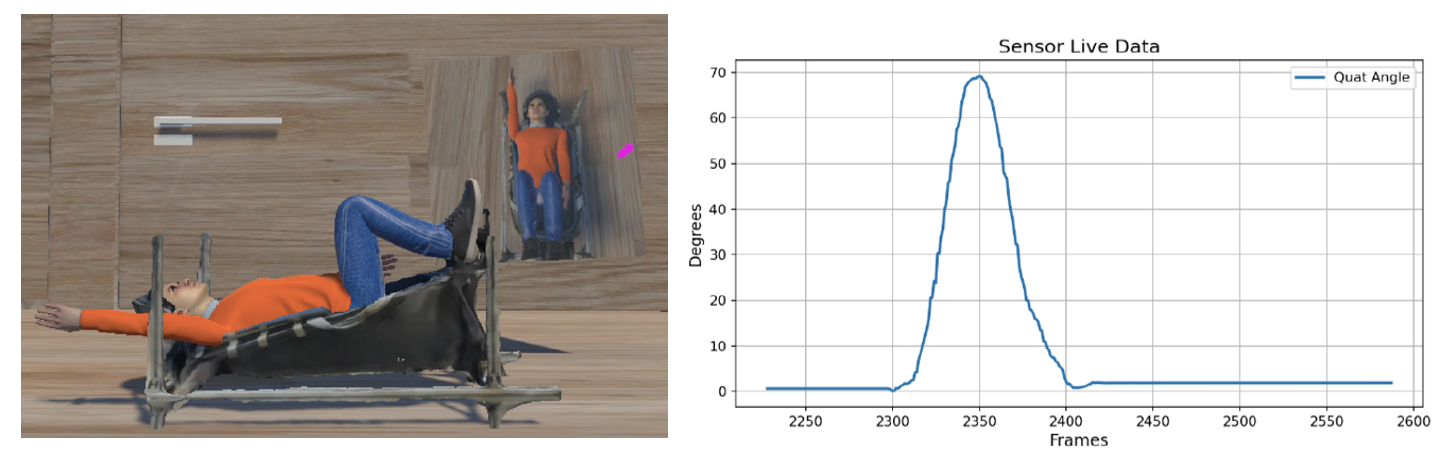
My current research interests include the study of muscle atrophy, muscle activation, and human movement adaptation under different gravitational conditions such as normal gravity, simulated microgravity, and altered loading environments. I am particularly interested in understanding how reduced or modified gravitational loading affects muscle strength, gait, posture, balance, and neuromuscular control. This research direction supports the development of exercise protocols, rehabilitation strategies, and biomechanical assessment tools for both clinical and spaceflight-related applications.
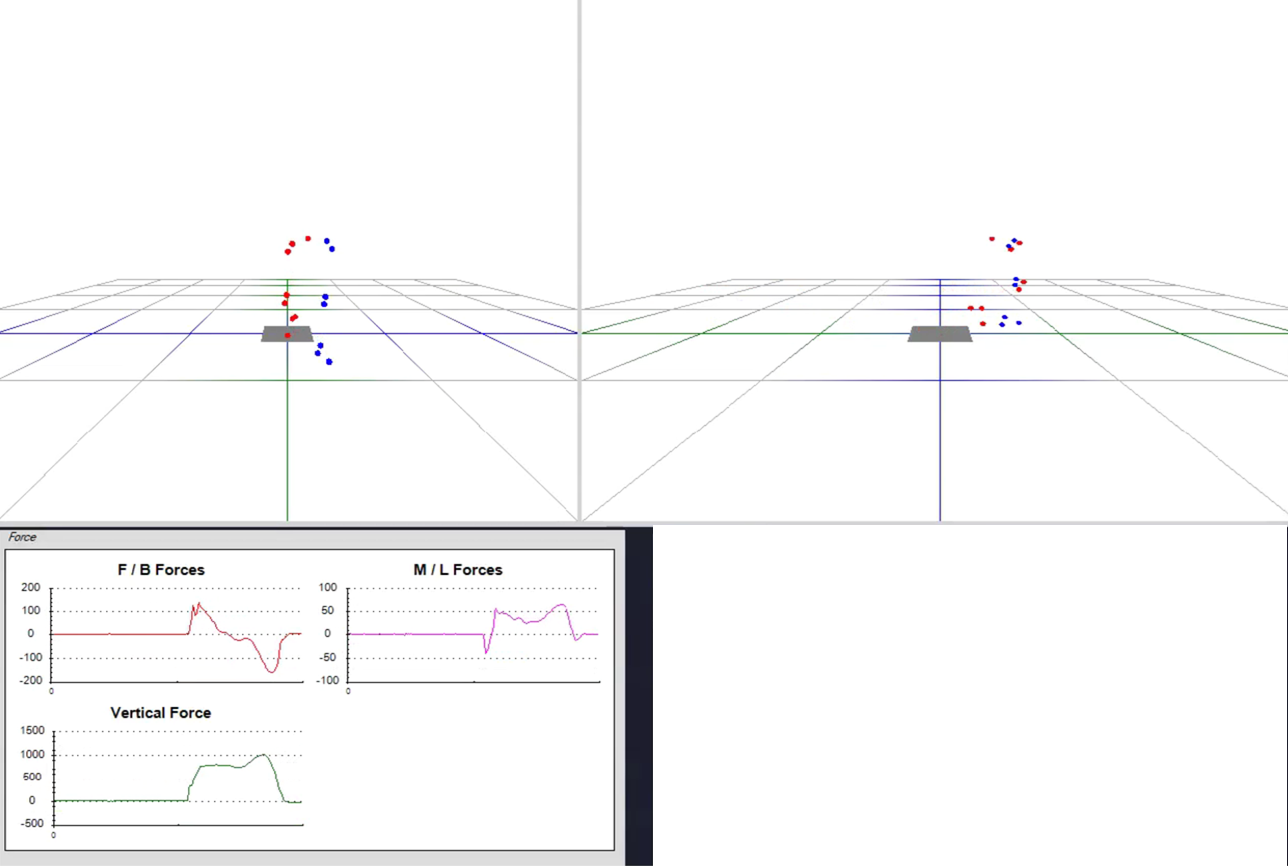
I am also working on the development of advanced force measurement systems, including force plate technologies based on light-based sensing principles. This approach aims to measure ground reaction forces, pressure distribution, and foot-surface interaction using optical methods. Such systems can support gait analysis, balance assessment, rehabilitation monitoring, sports performance evaluation, and inverse dynamics-based biomechanical modelling.
Another important area of my work is understanding the role of the motor cortex and premotor cortex in human locomotion using Visual-Kinesthetic Coupling. By integrating virtual reality, visual perturbations, treadmill-based movement, gait parameters, and psychophysical analysis, my research explores how visual information and body-based sensory feedback influence walking adaptation. This helps in identifying whether visual cues dominate kinesthetic feedback during movement and provides insights into sensorimotor control, gait perception, and neuro-biomechanical coordination.
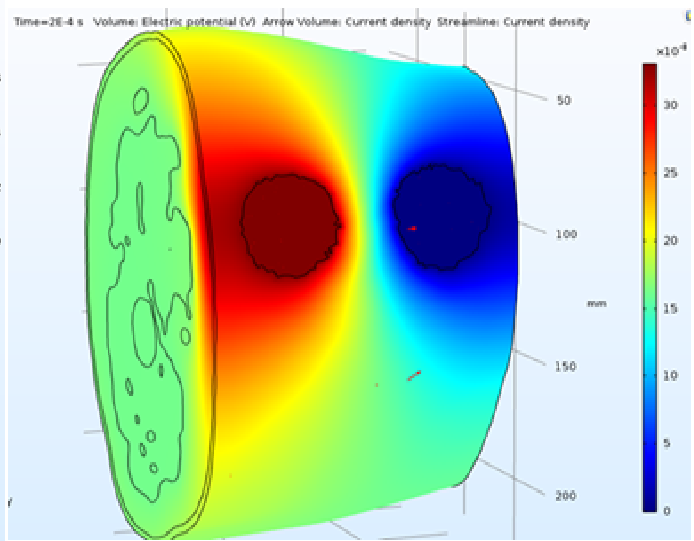
My technical expertise includes computational biomechanics, machine learning, computer vision, 3D modelling, biomechanical simulation, and software development using Python, C#, MATLAB, Unity XR, COMSOL Multiphysics, Simpleware, ANSYS, 3D Slicer, HTC Vive, IMU-based systems, and motion capture platforms. I am particularly focused on integrating anthropometric data, range of motion, strength measurements, kinematics, kinetics, EMG, pressure distribution, and computational models to create accurate and practical tools for human movement analysis.
My professional goal is to contribute to innovative research and product development in biomedical engineering, clinical biomechanics, human factors engineering, assistive technology, rehabilitation systems, sports biomechanics, defense biomechanics, and space biomechanics. I aim to bridge engineering, healthcare, neuroscience, and human performance through reliable measurement systems, intelligent analysis tools, and practical solutions that improve quality of life, movement efficiency, and functional performance.